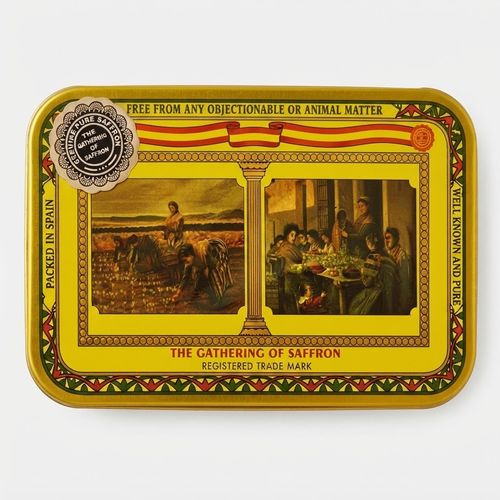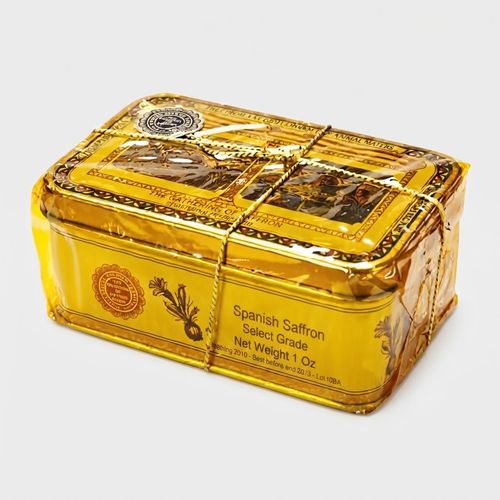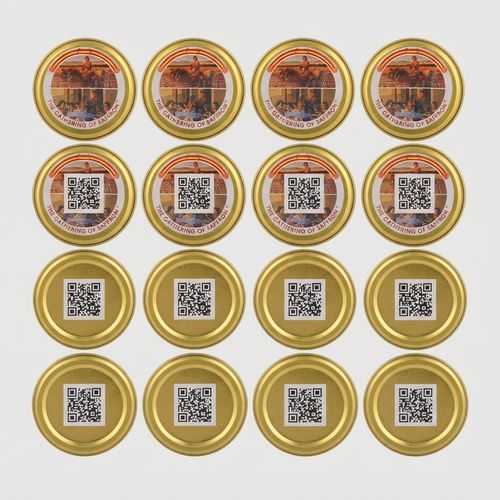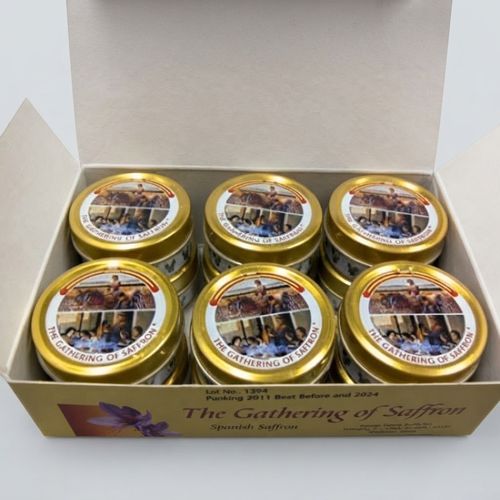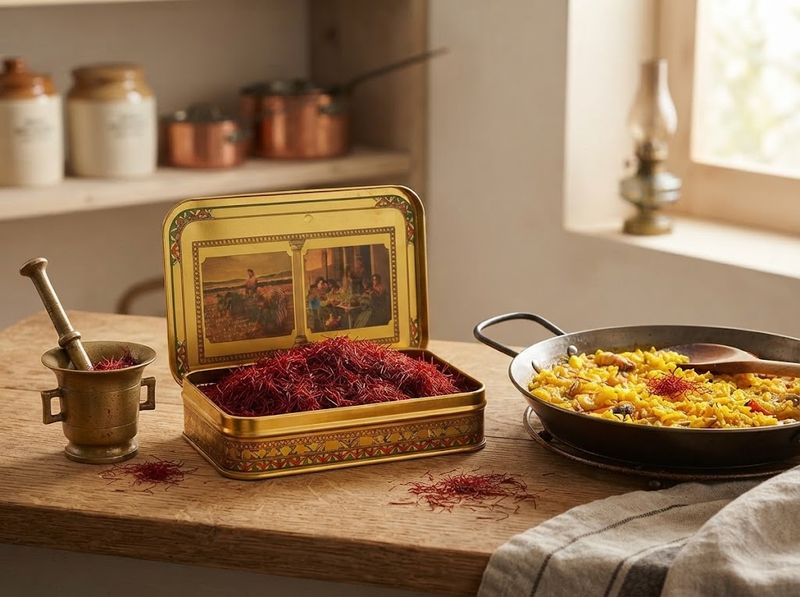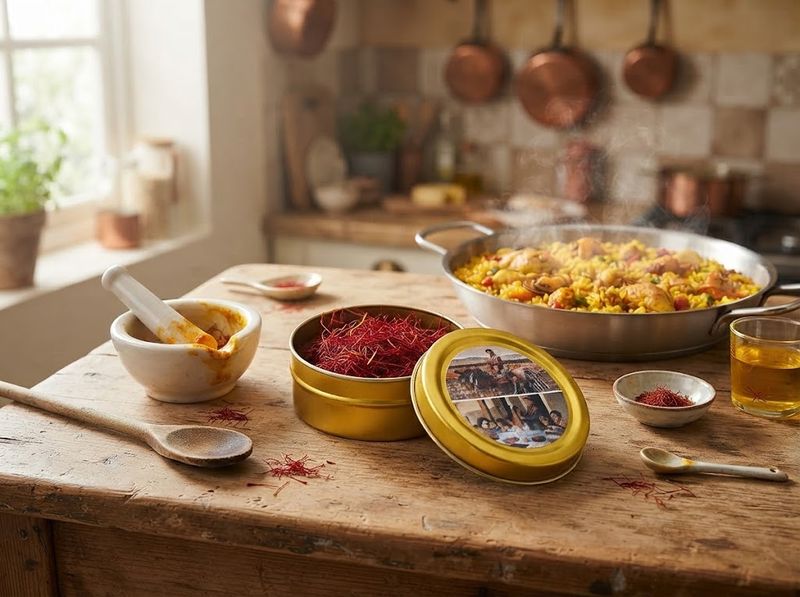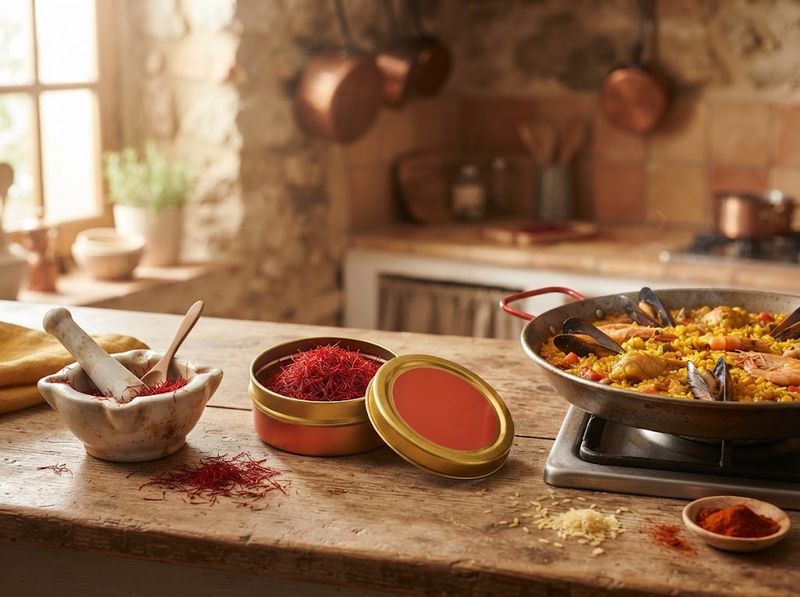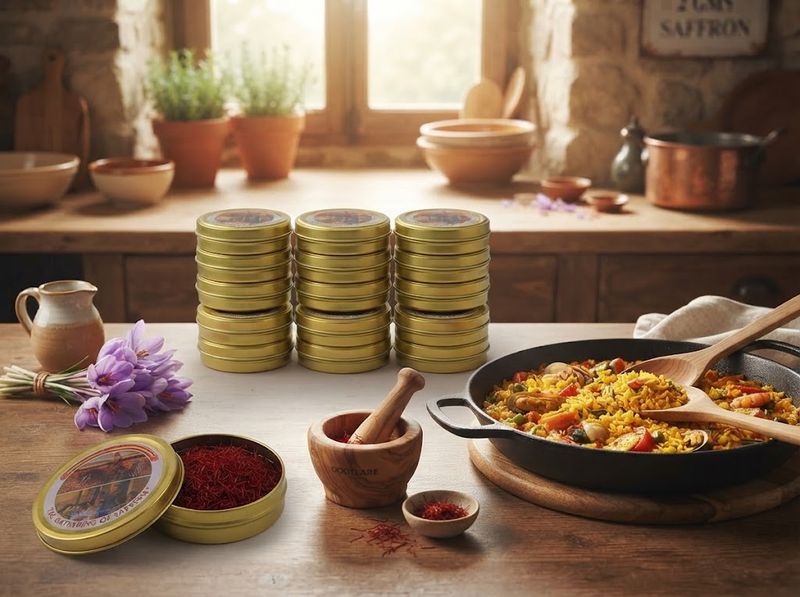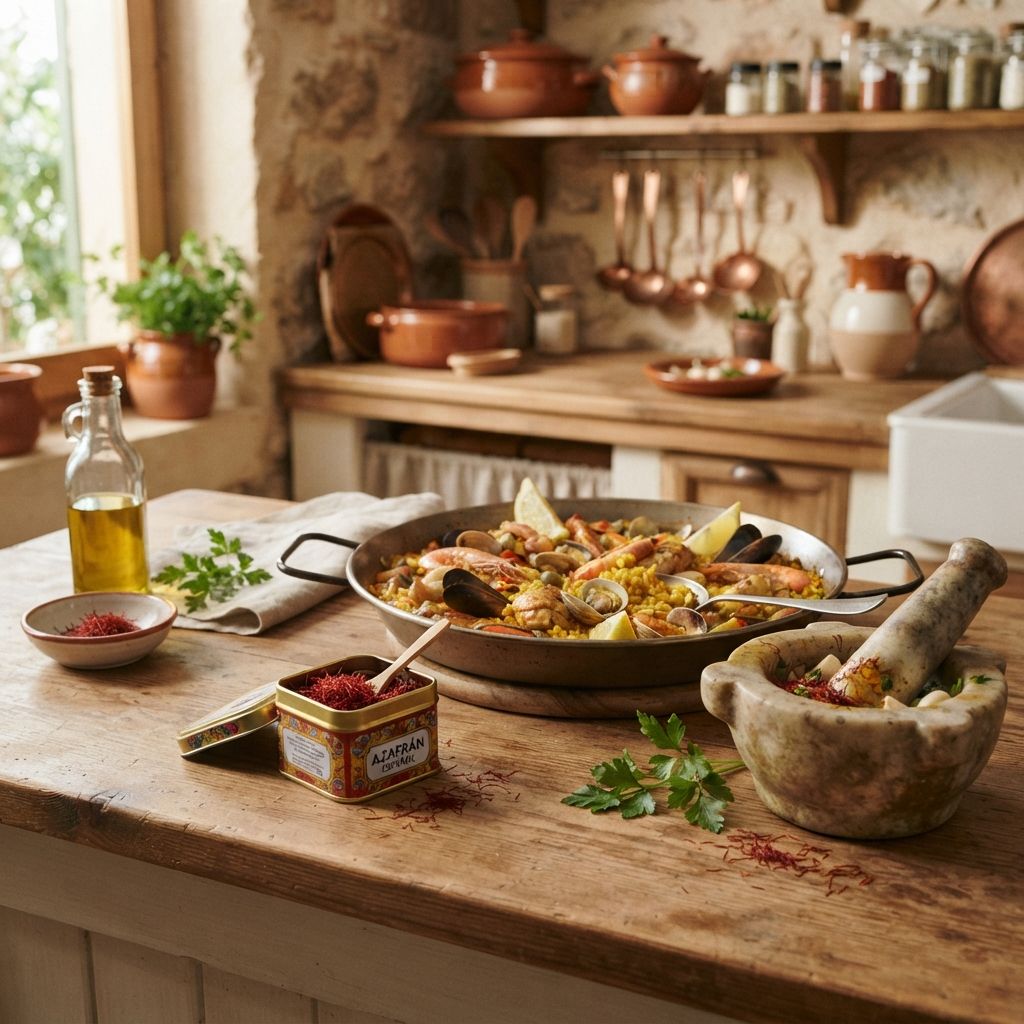
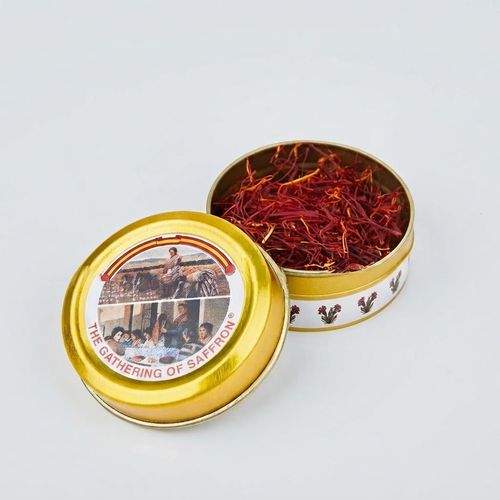
Open metal tin of Spanish saffron threads beside a paella pan on a kitchen counter

Super Negin grade · Packed in Spain · Sealed metal tins

The Gathering of Saffron: Spanish Saffron Threads, Sealed and Date-Stamped by Batch

Dyed corn silk bleeds orange, then goes white in the glass; The Gathering of Saffron ships Super Negin threads packed in Spain, rated 4.6 stars across 2,938 verified buyer reviews. Select batches also carry a Certificate of Origin and a Certificate of Analysis you can request, and below you will see which tins ship that paperwork.

  • Super Negin grade threads: straight red stigma, minimal yellow base
  • 4.6 stars weighted across every tin size, not just the most-reviewed ounce tin
  • Select batches ship a Certificate of Origin and Certificate of Analysis on request

Run the Water Test Before You Commit to a Second Tin

Hold a thread to the light: straight red stigma, barely any yellow base. Drop 15 threads into warm water, wait 15 minutes, and watch the water turn gold while the threads stay red. That is the water test, and you can run it on your first tin before you commit to a second. Threads that snap when dry and bend when damp are telling you how they were stored, not how they were graded.

  • No additives, fillers, or artificial dyes
  • Country of origin and packing declared as Spain
  • Certificate of Origin and Analysis on select batches
  • Retailer return window covers a broken seal

Choose Your Tin Size

Every tin holds the same straight-red Spanish threads: what changes is gram weight, from a 1-gram trial tin to a 28.37-gram ounce.

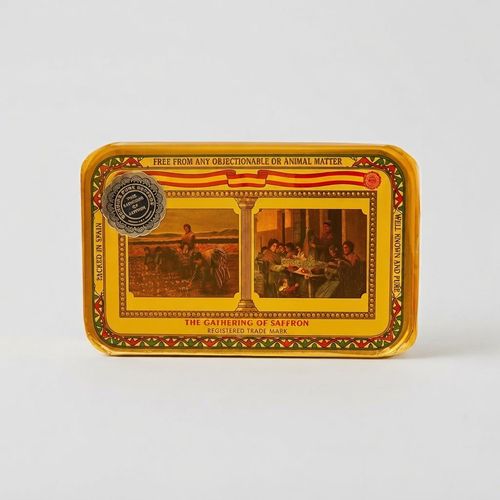
Pure Spanish Saffron 2 gram sealed tin

Pure Spanish Saffron — 2 g Tin

4.5 ★ 231 reviews

Test one dish before committing to bulk: a 2-gram tin blooms roughly a dozen pinches, enough to run the water test on Saturday and cook a paella twice after it passes. Threads arrive long and pliable rather than as brittle crumbs, which is what a recent crop looks like, and buyers report best-by dates several years out on fresh stock. Where a supermarket jar hides short cuttings and powder behind a label, whole threads keep the stigma shape visible in a glass of warm water. Entry-level tin and the one to start with if you have been burned before; the retailer return window applies if the threads read duller than the listing photos.

  • 2 grams: about a dozen pinches, enough to test the threads and still cook twice
  • Long pliable threads rather than crumbs signal a recent crop, backed by the packed date on the rim
  • Entry-level tin, retailer return window open if the threads arrive duller than the photos
Check today's price
Superior Saffron Threads one ounce sealed metal tin

Superior Saffron Threads — 1 Ounce Tin

4.6 ★ 2,659 reviews

Open the ounce tin once and decant a working pinch into a smaller jar; 28.37 grams covers a household that cooks saffron most weeks without a reorder in sight. The threads run straight red stigma with a small share of yellow base still visible, which is what Spanish saffron looks like when nobody has trimmed it for appearance. Where a loose bag flattens the moment the clip fails, this sealed metal tin holds color and aroma two to three years, longer again in a freezer. Most-reviewed tin here: check the stamped rim on arrival, and the retailer return window covers threads that read duller than the photos.

  • 28.37 grams of threads: a year of Sunday paellas out of one sealed tin
  • The metal tin blocks light, the main driver of aroma loss, so scent survives long after a bag has gone quiet
  • 4.6 stars across 2,659 verified buyer reviews on this tin alone
Check today's price
Pure Spanish Saffron half ounce sealed tin

Pure Spanish Saffron — 1/2 Ounce Tin

4.7 ★ 5 reviews

Split the difference at 14.17 grams: half an ounce covers a kitchen that cooks saffron a couple of times a month for most of a year. The tin is physically larger than the weight suggests and buyers have said so plainly, so read the half-ounce figure rather than judging by the tin footprint on arrival. Where a single bulk weight forces one decision, this size lets you keep a working tin open and a sealed one waiting behind it. Imported under the AIVA label with the same on-package name and the same declared packing origin in Spain; check the stamped rim, and the retailer return window covers a broken seal.

  • 14.17 grams: roughly a year of cooking at twice a month, with a sealed spare behind it
  • Half-ounce weight keeps one tin in use while the next stays sealed against air and light
  • Buyers flag the tin as larger than the weight implies; read the half-ounce figure, not the footprint
Check today's price
Pure Spanish Saffron one ounce tin with red threads

Pure Spanish Saffron — 1 Ounce Tin

4.8 ★ 8 reviews

Ask for the batch file on this one and it exists: the importer states that a Certificate of Origin and a Certificate of Analysis can be provided for each batch. Country of origin and packing are both declared as Spain, which is also why the threads carry visible yellow at the base rather than uniform red, since Spanish saffron is graded that way openly. Where an unmarked import names a country and stops there, this one names the documents standing behind it. Same ounce weight as the direct tin and the same on-package name, imported under the Spicy World label; check the rim stamp on arrival and return through the retailer if the seal is broken.

  • One ounce of Spanish threads with the batch documents available on request
  • Batch-level paperwork ties a document to the lot number stamped on your specific tin
  • Where most imports state a country and stop, this listing names the certificates behind it
Check today's price
Pure Spanish Saffron gift set of twelve 2 gram tins

Pure Spanish Saffron Gift Set — 2 g × 12 Tins

4.4 ★ 16 reviews

Hand out twelve sealed tins instead of one large one: each 2-gram tin covers a few dishes, which is the size a gift actually gets used at rather than shelved. A 2D barcode on the sleeve and a Certificate of Origin available per batch give a recipient something to verify instead of something to trust. Where a repacked bulk bag arrives anonymous, every tin here ships sealed with its own stamped rim. Buyers note the individual tins are genuinely small, so weigh 2 grams against your recipient's cooking habits, and check the return terms on gift sets before you build a basket around one.

  • Twelve sealed 2-gram tins: hand one to each recipient without repacking anything
  • Each tin seals separately, so opening one in December leaves the rest untouched by air and light
  • Gift-set return terms differ from single tins; check the listing before basket-building
Check today's price
Pure Spanish Saffron gift set of twelve 1 gram tins

Pure Spanish Saffron Gift Set — 1 g × 12 Tins

4.9 ★ 19 reviews

Twelve 1-gram tins split a year of cooking into single sittings, or split a gift list twelve ways without repacking a thing. Each tin seals independently, so opening one in March leaves the other eleven untouched by air and light until a recipe calls for them. Where a single large tin loses a little aroma every time the lid comes off, this format exposes one gram at a time and no more. A Certificate of Origin is available per batch and a 2D barcode sits on the sleeve; the star average here is the highest of the tins, though it rests on a thin review base, so read the count beside it.

  • Twelve 1-gram tins: open one in March and the rest stay sealed until autumn
  • Single-gram sealing exposes one tin at a time instead of venting a whole ounce on every use
  • 4.9 stars from 19 verified buyer reviews, the highest average here on the thinnest base
Check today's price

Why Skeptical Cooks Keep Reordering the Super Negin Tins

Skeptical cooks reorder a Gathering of Saffron tin for what the threads do in the glass, not for what the label promises.

Soak a Thread and Watch It Stay Red

Drop three threads into warm water: real stigma bleeds gold in 15 minutes and stays red, while dyed safflower goes pale.

Request the Batch Paperwork Before the Second Tin

Select batches ship a Certificate of Origin and a Certificate of Analysis. Ask the importer for the batch file, not for a lab-tested sticker.

Read the Lot Number Stamped on the Tin Rim

Turn the tin over and the outer edge shows a lot number, a packed date, and a best-by date. Old warehouse stock cannot hide behind always fresh.

Toss the Bag of Dyed Filler for Good

No additives, no fillers, no artificial dyes go into these threads. If a tin arrives dented or duller than the photos, the retailer return window covers it.

Pull a Golden Paella Off the Stove on Sunday

Bloom a pinch in warm milk and stir it through rice: sweet, floral, earthy, with a gold-to-orange color that holds across the whole pan.

Notice How the Metal Tin Beats a Glass Jar

Light degrades saffron faster than air does. The sealed metal tin blocks it, and threads stored cool and dark hold aroma two to three years.

From Sealed Tin to Golden Rice Without Guesswork

Check the seal, bloom the threads, stir liquid and all into the pot, then reseal the Gathering of Saffron tin cool and dark.

  1. 1

    Check the Rim Stamp

    Read the lot number, packed date, and best-by date on the tin edge before you break the seal.

  2. 2

    Bloom for 15 Minutes

    Crush 15 to 20 threads, cover them with warm water or milk, and leave them at least 15 minutes.

  3. 3

    Stir In Liquid and All

    Pour the gold liquid and the threads together into rice, broth, or dough; nothing gets strained out.

  4. 4

    Reseal Cool and Dark

    Press the lid back on and store the tin away from light; potency holds two to three years.

The Kitchen Situations These Tins Were Sized For

Tin size from 1 gram to an ounce, stigma selection, and crop freshness decide whether a pinch turns the pan gold.

Open 1-ounce saffron tin beside a small trial tin on a wooden counter

Pick the Tin Size That Matches How Often You Cook

A 1-gram tin covers roughly one paella and one pot of rice for a household that cooks with saffron once a month. Cook weekly and that tin empties before the month does. The 28.37-gram ounce tin is the other end of the range: open it once, decant a working pinch into a smaller tin, and keep the rest sealed.

  • Open the 1-gram tin for a single trial paella; it empties in one Sunday and never sits long enough to fade.
  • The ounce tin holds 28.37 grams because saffron sells by weight, not volume: a level teaspoon of threads weighs under a gram.
  • Where a bulk bag flattens once the clip fails, a resealed metal tin keeps threads potent long after that bag would have gone quiet.
See the 1-ounce tin
Sealed stamped saffron tin next to loose threads in an unmarked bag

How This Compares to the Unmarked Bag at the Grocery Store

Unmarked grocery-bag saffron carries no lot number and no packed date; every tin here stamps both, plus a best-by date that on fresh stock runs 4 to 5 years out. A loose bag gives you threads and a price. A stamped tin gives you a batch you can name, an origin declared on the packaging, and a grade stated in writing.

  • Powdered saffron hides filler because the stigma shape disappears; whole threads keep that shape visible in a glass of water.
  • Ask a grocery clerk which crop year the bag came from and the conversation ends; every tin here answers in print.
  • Where a loose bag sits open under aisle lighting for months, a sealed tin has been dark since the day it was filled.
See the 2-gram tin
Macro view of red saffron stigma tips on white ceramic

Why Straight Red Stigma Selection Earns the Super Negin Grade

Super Negin grade means the harvester cuts the yellow style away and keeps only the red stigma tip, where the color and aroma compounds sit. Yellow base adds weight, not flavor. Buyers who compare tins side by side describe these threads as mostly straight red with a small share of pale strands still visible, which is what the packaging says to expect from this grading convention.

  • Pinch a dry thread and it should snap rather than bend: brittle red stigma carries aroma, while a limp thread has taken on moisture.
  • Threads here ship with some yellow base visible and the packaging states it; a tin that reads 100 percent uniform red deserves a closer look.
  • Grind a pinch in a dedicated coffee grinder before it hits the rice cooker and the color spreads through every grain instead of streaking.
See the half-ounce tin
Close-up of a saffron tin rim showing stamped lot number and packed date

Trace a Batch Back to Its Paperwork Before You Reorder

Every tin stamps a lot number, a packed date, and a best-by date around the outer rim, so a reorder takes 10 seconds to verify against the last one. Select batches, imported under the AIVA and Spicy World labels, add a Certificate of Origin and a Certificate of Analysis on request. Match the lot on the rim to the document and reordering stops being a guess.

  • Photograph the rim when a tin arrives; the next order takes seconds to check against the lot you already cooked with.
  • Gift-set sleeves carry a 2D barcode you scan at unboxing rather than a marketing line you take on trust.
  • A date several years out signals a recent crop, while one sitting a year away signals stock that waited in a warehouse.
See the 12-tin gift set

The Numbers Other Saffron Pages Skip

A two-to-three-year sealed shelf life, a 1-gram entry tin, and a documented batch: figures most saffron listings leave vague.

4.6 stars / 2,938 reviews

Open a fresh tin and check it against 2,938 buyers who already did: the weighted average holds at 4.6 stars across every tin size, not only the ounce.

Competing saffron pages print a star rating without the base count standing behind it.

2,938 verified buyer reviews

Certificate of Origin + Certificate of Analysis

Request the batch file before you bloom a single thread: select batches ship both documents, named on the packaging instead of a bare lab-tested sticker.

Most competing pages claim lab-tested purity without naming a document a buyer can actually ask for.

manufacturer batch certification

2 to 3 years sealed, up to 3 years frozen

Press the lid back on and slide the tin into a dark cabinet: color and aroma hold two to three years, and owners who freeze an opened tin report the same window without a flavor drop.

Airtight tin storage barely gets a mention on competing pages, and none attach a shelf-life figure to it.

owner storage reports plus packaging guidance

1 g to 28.37 g per tin

Test one paella with the 1-gram tin, or open the 28.37-gram ounce tin for a kitchen that cooks saffron every week; the gift set splits the same grade into single servings.

Competing pages round pack sizes to small or bulk without printing the gram figure per tin.

manufacturer product specifications

15+ minute bloom

Drop the threads into warm water or milk and wait a full 15 minutes before they hit the pot; cutting the soak short is why a dish comes out pale instead of gold.

Competing guides say soak in warm water without a minimum time, leaving the gap between a rinse and a full bloom unexplained.

manufacturer bloom-time guidance

lot number + packed date + best-by date

Turn the tin over before you reorder: the outer edge carries a stamped lot number and packed date beside the best-by date, so freshness stops being a guess.

Freshness claims on competing saffron pages usually stop at always fresh, with no lot-traceable stamp shown anywhere.

verified buyer photos of tin markings

Saffron threads and a sealed tin on a rustic kitchen table

Three Red Strands, One Flower, and the Paperwork Behind Them

Saffron threads come from the stigma of the Crocus sativus flower, three red strands per bloom, hand-pulled the morning the flower opens. Harvest runs a few weeks a year, and it takes roughly 150 to 200 flowers to dry a single gram. That labor sets the floor under the price of any real thread, which is also why the category attracts filler.

The Gathering of Saffron sits in the Herbs, Spices & Seasonings aisle under Single Herbs & Spices, packed in Spain and sold in sealed metal tins. You will find the same on-package name across listings run by two importers, AIVA and Spicy World. Same threads, same declared packing origin, a different importer on the label: if you compared two tins and wondered whether one was a knockoff, it was not.

What you should check is the importer line. Select batches add a Certificate of Origin plus a Certificate of Analysis you can request, and those ship under the importer labels rather than across everything. If the threads arrive duller or more broken than the photos, the retailer return window still applies. What no listing photo will tell you is how the tin smells when the seal breaks, and that is the test worth running first.

Read the full story

What Cooks Report After the First Tin

Weighted 4.6 stars across 2,938 verified buyer reviews, including the buyers who wanted something different.

★★★★★

I ran every authenticity check I had read about before I cooked with it. The water went gold, the threads kept their red, and rubbing a dry one left orange on my fingers. The tin edge was stamped with a best-before date, a lot number, and a packed date, which is what settled it for me.

Dana R.Verified Purchase

Pure Spanish Saffron — 2 g Tin

★★★★★

Forty years of cooking with saffron and I was ready to be disappointed. The aroma hit before the lid cleared the tin. The threads are mostly red tips with some yellow base mixed in, exactly as the packaging says to expect. I grind a pinch and shake it straight into the rice cooker.

Farid N.Verified Purchase

Superior Saffron Threads — 1 Ounce Tin

★★★★★

Beautiful color, scent, and flavor. I am not a saffron purist, and I cannot detect a difference against the pricier tins I used to buy. Every time I open the lid I get a fresh whiff. I will order this one again when the tin runs out.

Marguerite L.Verified Purchase

Pure Spanish Saffron — 1 Ounce Tin

★★★★☆

The individual gift tins are genuinely small, smaller than I pictured from the listing photo, so check the gram weight before you build a basket around them. The saffron itself is well packed and the fragrance is there. I hand these out over the holidays and nobody has to repack anything.

Priya S.Verified Purchase

Pure Spanish Saffron Gift Set — 2 g × 12 Tins

★★★★★

My first seafood stew with real threads. I did not believe such a small pinch could change a pot that size. The broth turned gold, the smell filled the kitchen, and there is a note in it I had been missing for years without knowing what it was.

Tom B.Verified Purchase

Pure Spanish Saffron — 2 g Tin

★★★★★

Arrived well packaged with a best-by date years out. The strands are long and pliable rather than brittle crumbs, and they almost need tearing instead of crushing. A few yellow stigmas in the mix, which I understand is normal for Spanish saffron. It goes into my morning latte now.

Helen K.Verified Purchase

Pure Spanish Saffron — 2 g Tin

★★★★★

My wife grew up on risotto made with saffron and she is hard to fool. A pinch of this colors a quart of rice a deep golden yellow and carries the taste she remembers. The tin reseals properly, which the folded pouches I used before never did.

Gregory M.Verified Purchase

Superior Saffron Threads — 1 Ounce Tin

★★★★☆

Read the half-ounce figure rather than judging by the tin. The container looks like it should hold more than it does, and that surprised me on arrival. The threads are good and the seal was intact, so it stayed. I just wish the tin size matched the weight more honestly.

Alan W.Verified Purchase

Pure Spanish Saffron — 1/2 Ounce Tin

Spec by Spec Against the Grocery Aisle

Grade, origin, tin format, and shelf life run side by side below, against a loose grocery bag and a typical 1-ounce import.

Criterion The Gathering of Saffron Grocery-Store Saffron Typical Import Listing
Grade classification Super Negin / A+ grade, straight red stigma with minimal yellow base Grade unstated; often short cuttings or powder Grade claimed on the label, rarely defined
Origin and traceability Origin and packing declared as Spain; select batches ship a Certificate of Origin Origin often absent from the bag Origin stated, batch documentation uncommon
Packaging Sealed metal tin that blocks light and moisture Plastic sachet or glass jar on a lit aisle shelf Plastic tub or zip bag
Format range 1-gram trial tin through the 28.37-gram ounce tin, plus multi-tin gift sets One small jar, fraction of a gram Single bulk weight
Verified review base 4.6 stars across 2,938 verified buyer reviews No listing-level review base Rating shown; review counts vary widely
Authenticity guidance Published water-test guidance: threads bleed gold and stay red None on the packaging Occasional, rarely with a soak time
Shelf-life guidance Two to three years sealed; up to three years frozen per owner reports Best-by date only Not stated

Day 1 to Year Three in the Same Tin

Day 1 checks, the first bloom, the first reseal, and the freezer stretch, mapped to when each one actually happens.

  1. Day 1

    Day 1, before dinner: slide the tin out of the box, read the lot number and best-by date on the rim, then float three threads in warm water and watch the color come. If they go pale instead of gold, the retailer return window is still open.

  2. Week 1

    Week 1, Sunday: crush a generous pinch of threads, bloom them in warm milk until the liquid runs deep gold, then pour liquid and threads together into the paella pan before the rice goes in.

  3. Month 1

    Month 1: press the lid down, lift it again, and the aroma still hits before the tin clears the shelf. Color holds and the threads stay brittle, which means the seal did its job between Sundays.

  4. Year 1 and beyond

    Year 1 and beyond: freeze whatever is left in the sealed tin and let it warm on the counter before opening. Owners who store it that way report the same color and aroma three years on.

Ready for Day 1? The 2-gram tin blooms about a dozen pinches before you size up.

What Cooks Worry About Before the First Bloom

Fake threads, dented tins, and lookalike listings stall saffron orders; 3 threads in a glass of warm water settle the first worry.

The Water Goes White by Morning

Rip open a tin, soak a pinch overnight, and the water turns cloudy while the threads bleach out. That is dyed safflower or corn silk, not stigma. Real threads bleed gold slowly and keep their red for a day or more.

Paying a Premium and Trusting a Marketing Label

Stop taking a grade printed on a sleeve at face value. Grade shows up in the thread itself: straight red tips, brittle when dry, almost no yellow style attached. Pull one out and look before the pot goes on the heat.

The Gift Tin Arrives Dented

Slam a shipping box onto the counter and the metal rim can dent. Check the seal line first: a lid that still resists a thumb-press held, and cosmetic dents never reach the threads. A tin that rattles loose is a return, not a gamble.

Three Listings, One Name, No Explanation

End the guessing here. The same on-package name runs through importer listings from AIVA and Spicy World alongside the direct ones, with the same threads and the same declared packing origin. What differs is which batches ship the paperwork.

The Threads Look Duller Than the Photos

Toss the comparison anxiety and open the tin under daylight rather than kitchen bulbs, which pull red toward brown. If the threads still read duller or more broken beside the listing image, the retailer return window covers it and the tin ships back. Photograph the rim first, then pick a size to compare.

Who Reaches for a Stamped Tin

The cook rebuilding trust after a fake tin, the weekly paella maker, and the gift-giver choosing between 1-gram and 2-gram tins.

The Home Cook Rebuilding Trust After a Fake Tin

You bought threads once that went white in the glass and you have checked every jar since. Start with the 1-gram tin, run the bloom test on a Saturday, and let the glass decide before you commit to an ounce.

The Weekly Paella-and-Risotto Cook Buying by Weight

Cooking saffron every week empties a 2-gram tin inside a month. The 28.37-gram ounce tin covers a year of Sundays: decant a working pinch into a small tin and keep the rest sealed and frozen.

The Holiday Gift-Giver Choosing Between the 1-Gram and 2-Gram Sets

Twelve sealed tins hand out as twelve gifts without repacking anything. The 2-gram tins give each recipient a few dishes; the 1-gram set stretches across a longer list at the same grade.

The Tea Drinker Adding a Pinch to the Morning Cup

Three or four threads steep in a cup of hot milk and turn it gold by the time the toast is done. A 1-gram tin lasts months at that rate, and the sealed lid keeps the rest from fading.

Where These Tins Are the Wrong Call

  • Not the right fit if you need per-batch test results on every tin you order: they ship with select importer batches, not across the full range.
  • Skip this if Persian or Iranian origin specifically is a hard requirement for your recipe. These threads are packed in Spain and labelled that way.
  • Not for buyers who need an organic or non-GMO certification printed on the tin. Neither claim appears on current packaging, and neither will be invented here.

Saffron Questions, Answered Before You Order

Grade names, the water test, storage, bloom time, and why the same name appears under two importer labels.

What is The Gathering of Saffron?

The Gathering of Saffron sells Spanish saffron threads: whole stigma from the Crocus sativus flower, selected for straight red tips and packed in sealed metal tins from a 1-gram trial size up to a 28.37-gram ounce. Country of origin and packing are both declared as Spain. Select batches ship with a Certificate of Origin and a Certificate of Analysis you can request before you order again.

Are the AIVA, Spicy World, and direct listings the same saffron?

Same on-package name, same declared packing origin in Spain, different importer on the label. AIVA and Spicy World import and list the tins alongside the direct listings, so they act as distributors rather than competing brands or repackagers. The practical difference is documentation: batch paperwork is offered on select importer batches rather than across every tin in the range.

How do I know the saffron is not cut with dyed corn silk or safflower?

Soak a few pure saffron threads in warm water and watch both the water and the thread. Real stigma releases gold slowly while the thread itself stays red for hours. Dyed safflower or corn silk dumps color fast, then pales or falls apart. Shape helps too: a real stigma flares into a small trumpet at one end and snaps rather than bends when dry.

What's the difference between Super Negin, Negin, and Sargol grades?

Grade describes how much of the thread is red stigma. Super Negin saffron keeps the longest, most uniform all-red tips. Negin runs slightly shorter and less uniform. Sargol is cut red stigma with the style removed, often shorter and more broken. The higher the grade, the less dead weight per gram, which is why the same pinch colors more.

How do I bloom saffron threads before cooking?

Crush 15 to 20 threads between your fingers, cover them with two tablespoons of warm water or milk, and leave them at least 15 minutes. The liquid turns deep gold. Pour liquid and threads together into the dish, since nothing needs straining out. Boiling water scorches the aroma, so warm rather than hot is the rule that matters here.

Can I return the tin if the threads look duller than the product photos?

Return handling runs through the retailer's standard return window, since a perishable grocery item carries no manufacturer coverage beyond that. Photograph the threads in daylight beside the listing image before you decide, because kitchen bulbs pull red toward brown and make good saffron look tired. Gift sets can carry different return terms, so check those on the specific listing first.

What is a Certificate of Origin and a Certificate of Analysis?

A Certificate of Origin states where a batch was grown and packed. A Certificate of Analysis reports what testing found in that specific batch. Both are batch-level documents rather than a permanent brand credential, which is exactly why they are offered on select importer batches and requested per lot instead of assumed across every tin.

Do you carry ISO 3632 certification?

No ISO 3632 certification is claimed for these tins, and none will be invented here. ISO 3632 grades saffron by laboratory measurement of coloring strength, aroma, and bitterness. What is available instead sits at batch level: a Certificate of Origin and a Certificate of Analysis on select importer batches. If published ISO 3632 numbers are your requirement, buy from a seller who prints them.

What's the best way to store saffron threads?

Cool, dark, and airtight. Light does more damage than air, so a sealed metal tin in a closed cupboard beats a glass jar on an open shelf every time. Skip the fridge, where humidity turns threads limp within weeks. Stored properly, color and aroma hold two to three years, and a freezer stretches that further.

Is the ounce tin a better deal per gram than several smaller tins?

Per gram, bulk almost always wins. The real question is whether those grams stay potent. An opened ounce tin loses a little aroma each time the lid comes off, so a kitchen cooking saffron weekly empties it before that matters. Cook occasionally and twelve sealed 1-gram tins protect potency better than one large tin does.

How is this different from the unmarked bag at my local international grocery store?

The bag gives you threads and a price. A tin gives you a declared origin and packing country, a stamped lot number and packed date, a stated grade, and on select batches a Certificate of Analysis you can request. Unmarked bags sometimes hold excellent saffron. The difference is that nothing on the packaging lets you check before you cook.

Why did my saffron threads turn white after soaking them for a day?

White threads after a long soak point to dyed filler rather than saffron. Real stigma bleeds gold slowly and the thread itself keeps its red for a day or more, while safflower and dyed corn silk release everything at once and then bleach out. Photograph the glass, keep the packaging, and return the batch through the retailer.

Get the Saffron Buyer's Checklist

The water test, the freshness check, and the tin size that matches how often you cook, in one page, plus alerts when a new batch lands.